

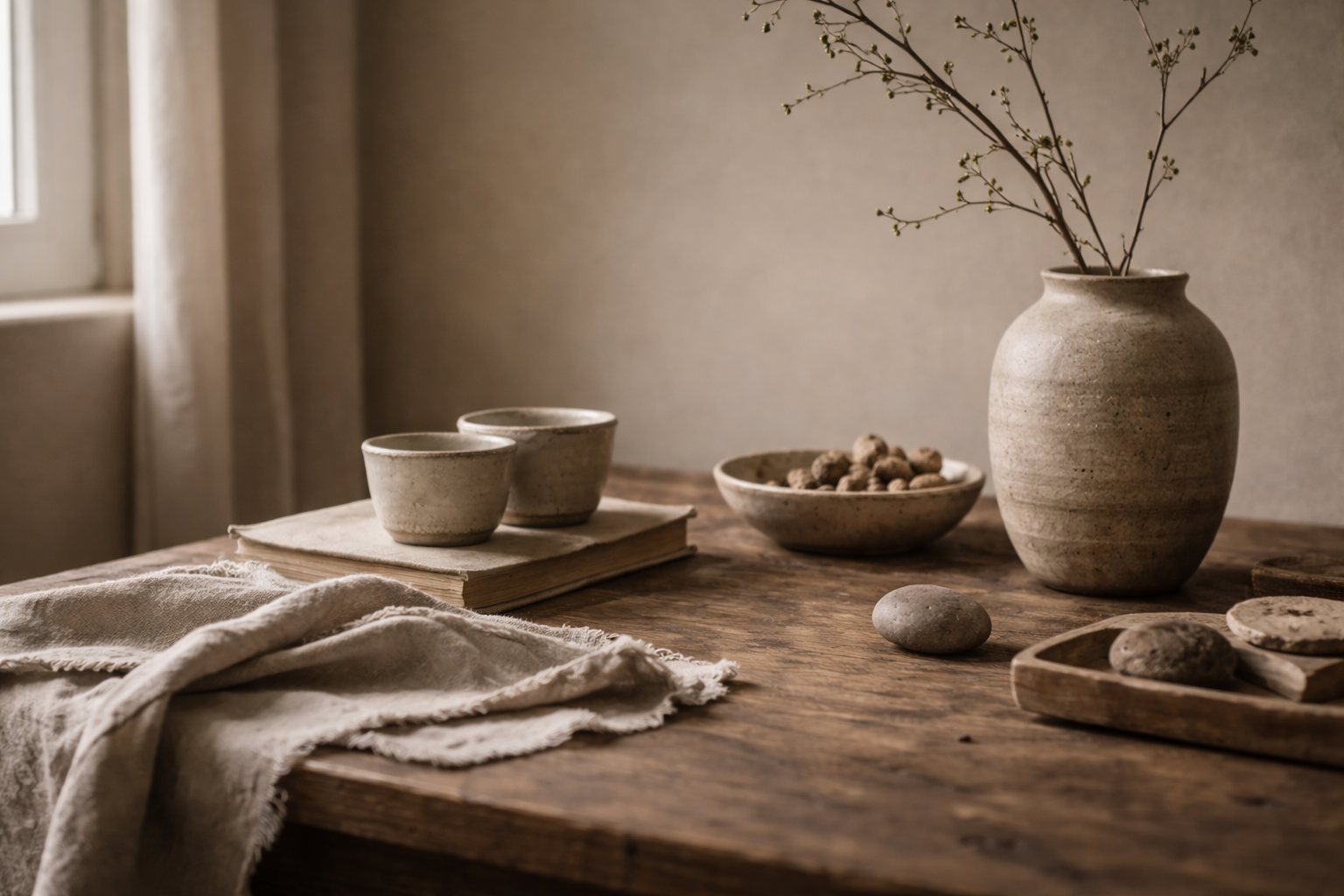
Value rarely begins with what we see. It begins earlier, in a quieter register, through contact, weight, and temperature. Before form is understood, the body already knows something about an object. The tactile qualities of materials shape perception before language appears. A surface resists, yields, or remains neutral under the hand. These signals arrive without effort, and they stay longer than an image. What feels grounded tends to be trusted. What feels hollow, overly smooth, or light often creates distance, regardless of visual polish. This is where material texture in handcrafted jewelry quietly asserts its role. Touch reveals what appearance can only suggest. It carries information about care, restraint, and intention. It tells us whether something was considered, or merely finished. In objects made slowly, material becomes the first narrative layer. Not decoration, but presence. Not shine, but substance.
Material Beyond Appearance: Why Touch Comes First
Visual appeal offers an invitation, but touch confirms the relationship. An object may look refined, yet feel unresolved once held. This gap between appearance and sensation defines material quality beyond appearance. The hand is an instrument of judgment. It reads balance, density, and resistance instinctively. Through tactile experience, handcrafted objects declare their honesty. In design, tactile qualities of materials anchor trust. Weight suggests permanence. Temperature signals material truth rather than surface treatment. A well-made object does not rush to impress. It allows touch to arrive slowly. It accepts scrutiny without defensiveness. This is why “beautiful” is insufficient on its own. Beauty can be applied. Material presence must be earned. The shift from seeing to feeling marks a deeper form of engagement. Here, value moves from image to experience, from surface to substance.
Weight, Temperature and Resistance
Weight introduces expectation. A certain density implies steadiness and care. It tells the body that the object will remain. Temperature follows closely. Metal cools the skin, while clay and wood return warmth more gradually. This thermal response shapes emotional distance or ease. Resistance completes the conversation. A surface that offers gentle friction feels deliberate. It guides the fingers without force or insistence. Together, these sensations shape the tactile experience of handcrafted objects. They communicate stability without explanation and create presence through physical truth.
Why Texture Matters More Than Shine
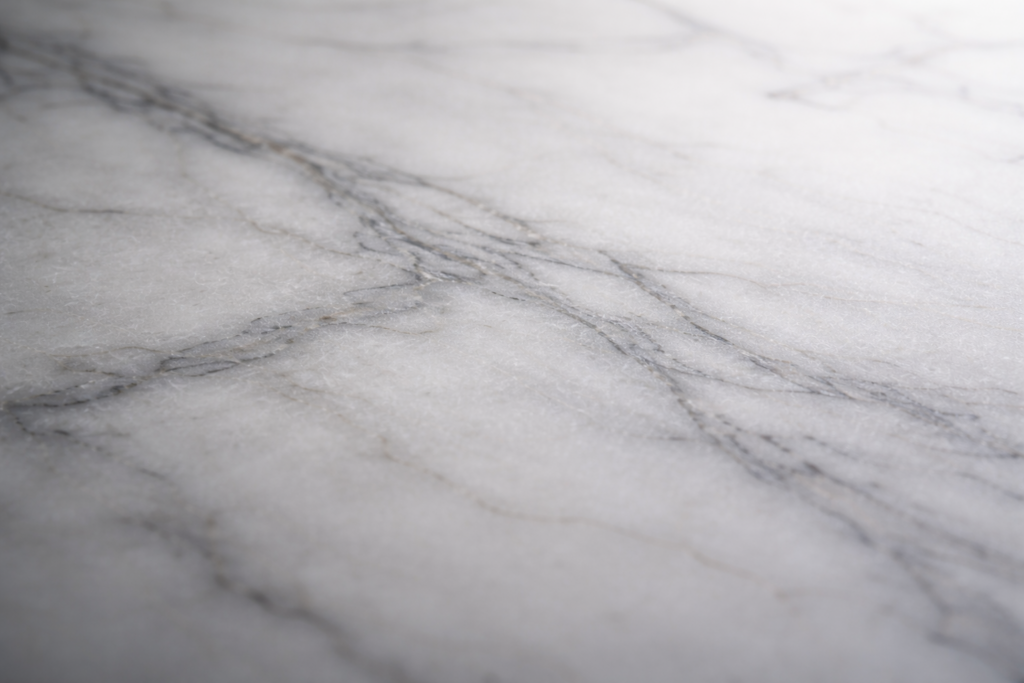
Shine is immediate, while texture is cumulative. One dazzles quickly; the other endures quietly. In design, texture vs shine marks a philosophical divide. Gloss often prioritizes visual speed. Texture asks for time and attention. Material texture design carries information. It reveals process, restraint, and intent through subtle variation rather than reflection. Texture affects perceived value precisely because it resists uniformity. The eye may pass quickly, but the hand lingers. This is how texture affects perceived value. It rewards attention instead of demanding it. It deepens connection rather than accelerating consumption. Shine persuades from a distance. Texture convinces through proximity. In handcrafted work, proximity matters.
Industrial Smoothness and Emotional Flatness
Industrial smoothness promises consistency and delivers predictability. Emotion rarely survives that process intact. Perfectly even surfaces feel reproducible by nature. They carry no evidence of encounter and no trace of decision. In refined vs smooth design, smoothness often empties meaning. It removes friction, both physical and emotional. The result is visual clarity paired with sensory silence. Sensory design depends on variation. Without it, the hand receives nothing. The object remains distant.
Surface Irregularities and the Meaning of Authenticity
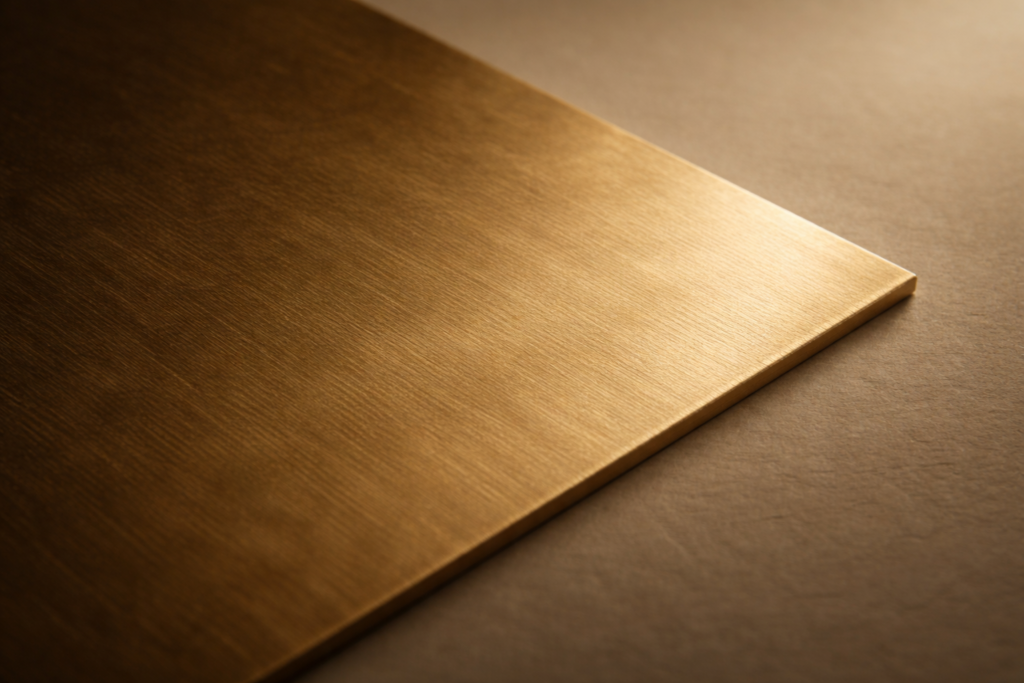
Surface irregularities handmade are not errors. They are records of material behavior and human presence. In handcrafted work, variation is inevitable. Material variation in handmade design reflects collaboration rather than control. The maker responds instead of overriding. These irregularities become signals of authenticity. They show where the material resisted and where the hand adjusted. Authentic materials do not aim for sameness. They accept difference as information. Each surface becomes specific. This specificity changes how value is perceived. Not as uniform excellence, but as grounded honesty.
Why We Choose Not to Correct Everything
Correction is often possible, but refinement is a decision. Non uniform handcrafted jewelry emerges from restraint. From knowing when to stop, and when to allow material limits to remain visible. Overcorrection erases dialogue. It silences material response and replaces presence with polish. The boundary lies where clarity remains without sterilization. Where intention is felt, not enforced. Where variation still breathes.
Muted Tones and Material Honesty
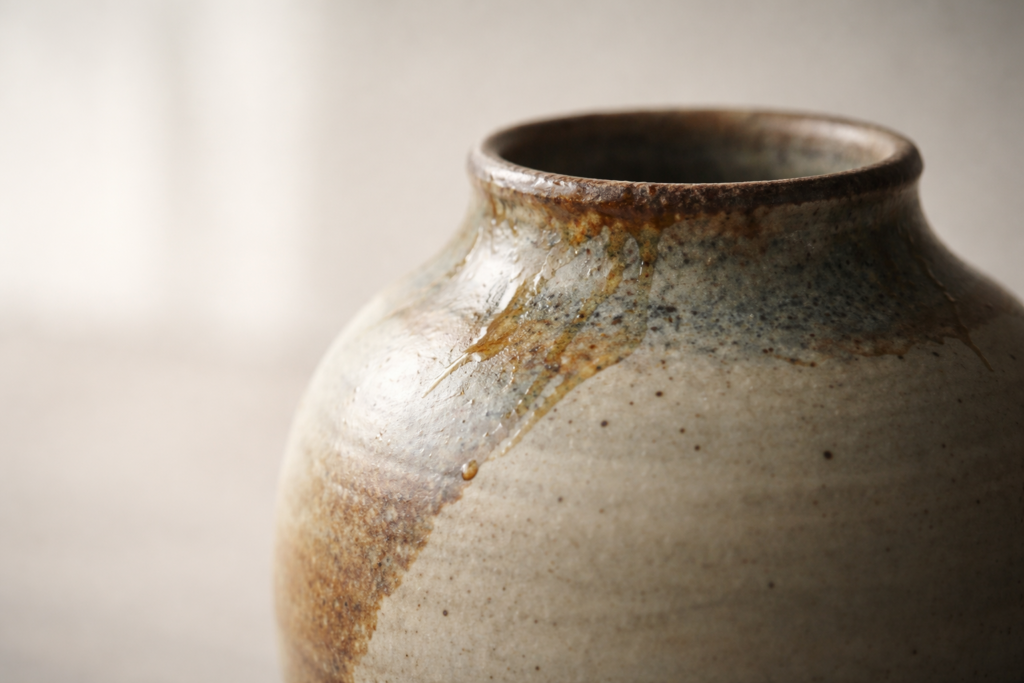
Muted tones material design respects material character. Color supports rather than dominates and allows texture to remain legible. Material honesty avoids disguise. Clay stays clay, and metal remains metal. Muted palettes reduce visual noise. They slow perception and invite touch without urgency. In this restraint, tactile qualities of materials become clearer. The surface speaks without distraction, and the form remains calm. This approach carries quiet authority. It does not compete. It settles.
Color as a Supporting Element, Not a Distraction
Color follows form and material. It does not lead. Design restraint keeps hierarchy intact. Material first, surface second. Color remains present but subdued. It holds space rather than claiming it. It supports the tactile experience.
Why Smooth Is Not Always Refined
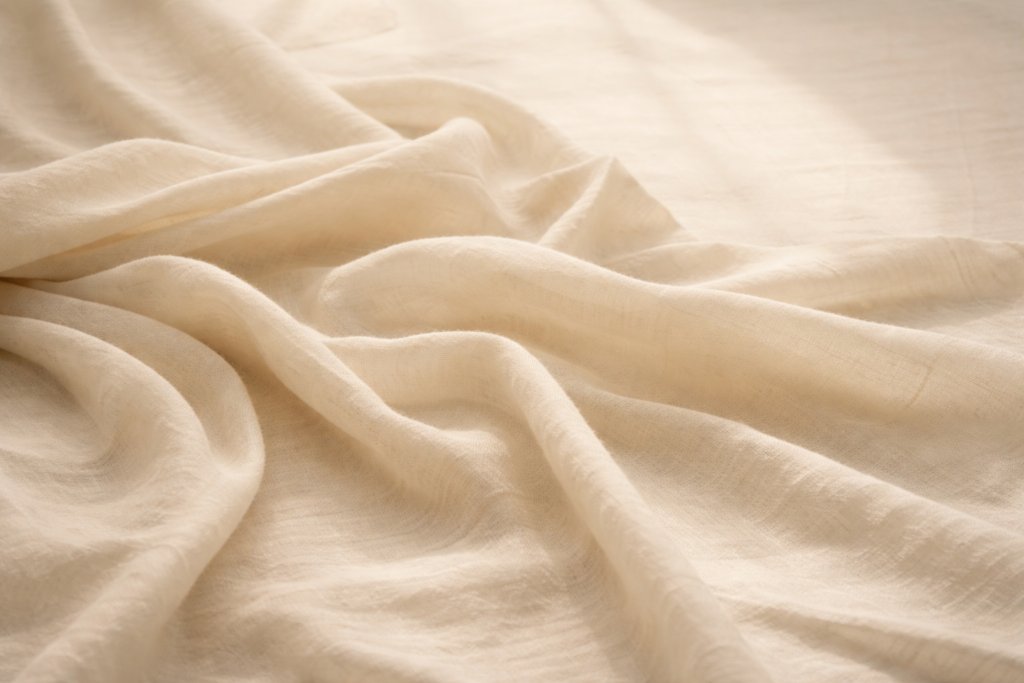
Refinement is not flawlessness. It is discernment. In refined vs smooth design, smoothness often signals excess correction. Refinement accepts minor resistance and allows texture to remain active. Handcrafted surface quality depends on this balance. Precision without sterility, and control without erasure. The perceived value of handcrafted materials grows here. In what is held back, and in what is left untouched. Refinement lives in restraint, not in perfection.
Material Limits and the End of Uniformity
Material limits define character. They cannot be negotiated away. They must be acknowledged. Why handmade objects are not identical becomes self-evident here. Each piece responds to conditions, and each outcome remains singular. Material driven value in design arises from acceptance. From working with, not against, and from collaboration rather than domination. Uniformity belongs to systems. Variation belongs to materials. Handcrafted work chooses the latter. Value emerges through this choice. Not as abundance, but as clarity.
Value does not announce itself at first glance. It waits for contact. In material texture in handcrafted jewelry, meaning arrives through touch, before use and before judgment. It forms during the first encounter between skin and surface, and deepens with time. This is slow design. Quiet luxury. A relationship that unfolds, rather than persuades. Here, material does not perform. It remains.