


Value rarely begins with technique. It begins with tempo, attention, and the willingness to remain present inside the work. Handmaking is often misunderstood as a visual category or a stylistic signal. In reality, it is a way of working shaped by limits, pauses, and ongoing decisions. The hand does not execute a fixed plan. It responds, adjusts, and occasionally refuses to proceed. In this sense, handmade as a way of working is not defined by tools, but by posture. A posture toward time, material, and outcome. What matters is not how something looks when finished. What matters is how it was allowed to arrive there. This approach resists acceleration by design. It accepts that not every process benefits from scale. Working by hand keeps authorship close to consequence. Every choice leaves a trace. What remains visible is not effort alone, but restraint.

Making as a Way of Working, Not a Technique
Handmaking is often framed as a set of skills. This framing misses its core logic. Craft as a way of working describes a structure where thinking and making remain inseparable. Design does not precede execution. It unfolds alongside it. In this model, the outcome is not fully known in advance. The process stays open to adjustment. Material resistance becomes part of the conversation, as do fatigue, rhythm, and judgment. This is making as a process, not a technique. The hand listens as much as it acts. Decisions replace automation. Attention replaces repetition without awareness. The value of this approach lies in its refusal to detach thinking from doing. The maker remains accountable at every stage. What emerges carries the imprint of those choices, not as decoration, but as structure.
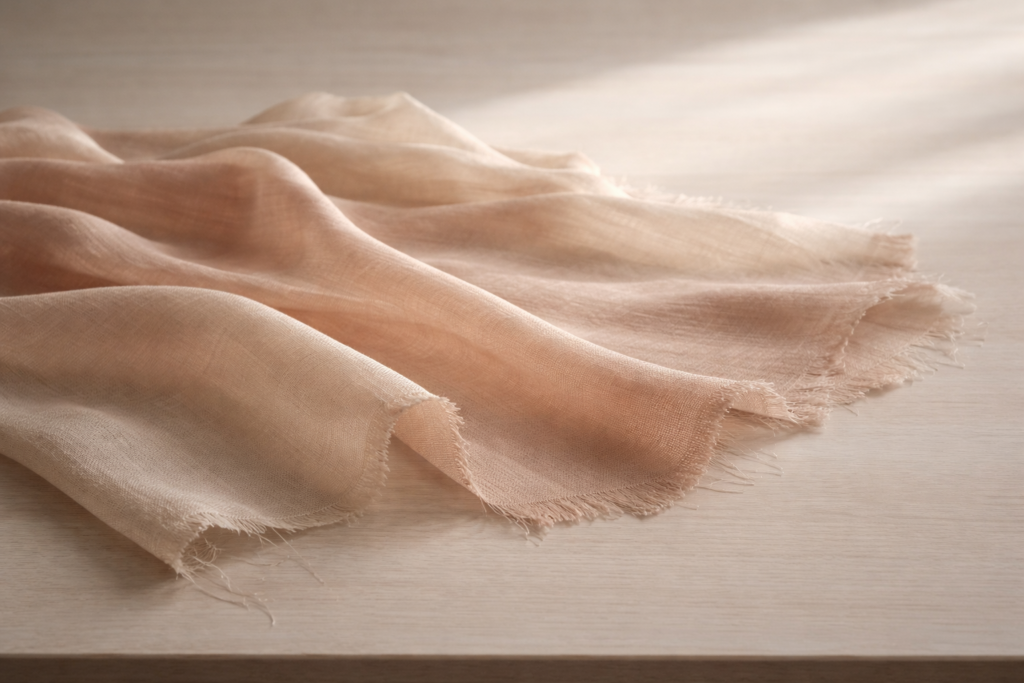
Working With Limits Rather Than Against Them
Limits are often mistaken for obstacles. In craft, they function as orientation. Working with material limits sharpens judgment. It clarifies what is possible and what should remain untouched. Constraints reduce noise and narrow the field of decisions. Within those boundaries, intention becomes precise. The work gains direction. Pushing against limits blindly produces strain. Working within them produces coherence. The result is not compromise. It is alignment.
Why We Don’t Rush Finishing
Finishing is often treated as the final step. In handmade work, it is a critical decision point. The handmade finishing process cannot be accelerated without consequence. Surface, density, and balance require time to settle. Finishing as a decision means knowing when intervention adds clarity, and when it begins to erase character. Rushing introduces uniformity. Uniformity removes dialogue between hand and material. Each pause during finishing protects information. Tool marks, subtle variations, and surface tension remain legible. Handmade work takes time because it resists shortcuts, not out of tradition, but out of necessity. The finish does not announce completion. It confirms restraint.
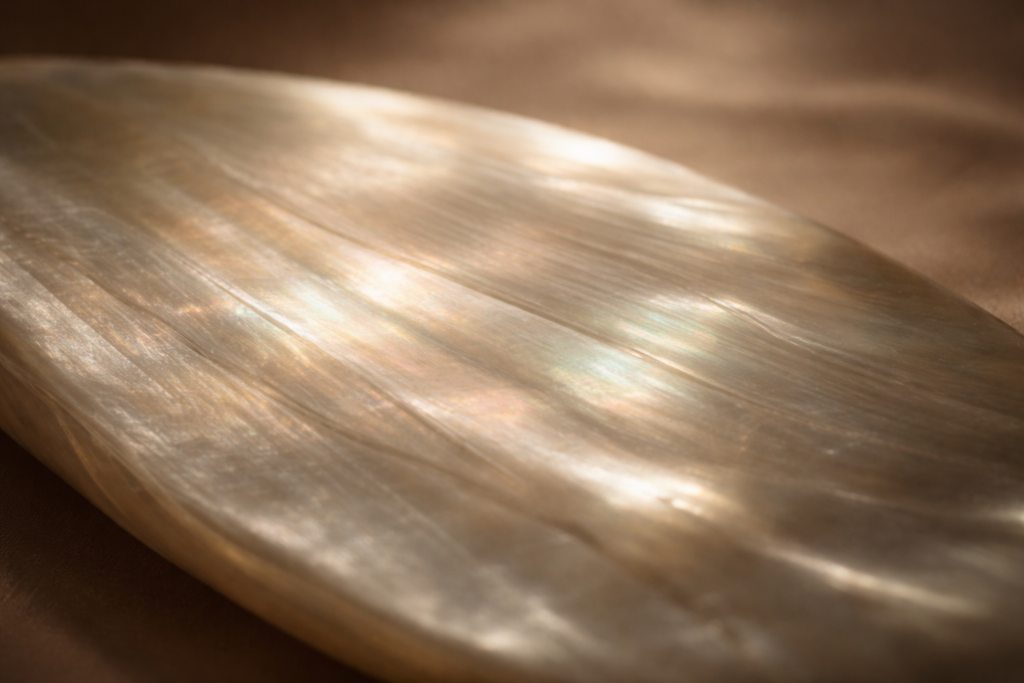
When Stopping Is Part of the Process
Stopping is not failure. It is judgment. Knowing when to stop in the handmade process requires discipline. Correction can easily become interference. At a certain point, refinement flattens intention. The work becomes quieter, but also emptier. Stopping preserves presence. It allows material decisions to remain visible. Completion, here, is an act of trust.
Repetition vs Replication
Repetition in craft serves a different purpose than replication. It is practice, not duplication. Repetition vs replication defines the boundary between human scale and industrial logic. Machines replicate outcomes. Hands repeat movements. Through repetition, variation appears. Non identical handmade objects emerge naturally. Each piece belongs to a family, not a series. Similarity replaces sameness. Repetition creates variation because conditions are never static. Material, pressure, and timing shift subtly. This variability is not a defect. It is evidence of attention.

Familiar Movements, Unrepeatable Results
Familiar movements build fluency. They do not guarantee identical results. The hand remembers motion, not outcome. Each repetition recalibrates understanding. What repeats is the gesture. What changes is the response. This keeps craft legible as practice.
Imperfection as a Decision
Imperfection is often framed defensively. In craft, it is an assertion. Intentional imperfection reflects choice, not lack of skill. It marks where correction stops serving the work. Imperfection as choice acknowledges material agency. It allows texture to remain active. Absolute flawlessness neutralizes presence. It replaces engagement with polish. Intentional imperfection preserves warmth. It keeps the human visible without spectacle. This is not romanticism. It is editorial clarity. The object does not apologize for variation. It stands by it.
When Correction Becomes Interference
Correction improves clarity until it does not. Beyond that point, it interferes. Correction vs interference in craft is a boundary of restraint. Interference silences the material. Discipline lies in knowing when not to act. Not every mark needs removal. The decision to leave something intact is active. It defines authorship.
Rhythm, Pace and the Consequence of Speed
Working rhythm in craft shapes outcome more than tools. Pace affects quality in craft directly. Speed compresses decision-making. Compression reduces nuance. A slower rhythm allows assessment. It creates space for adjustment. The pace of handmade work follows material time. Drying, setting, and curing resist urgency. This rhythm cannot be negotiated without loss. What disappears first is depth. Speed promises efficiency. It delivers erasure. Here, time is not a resource to minimize. It is a condition to respect.
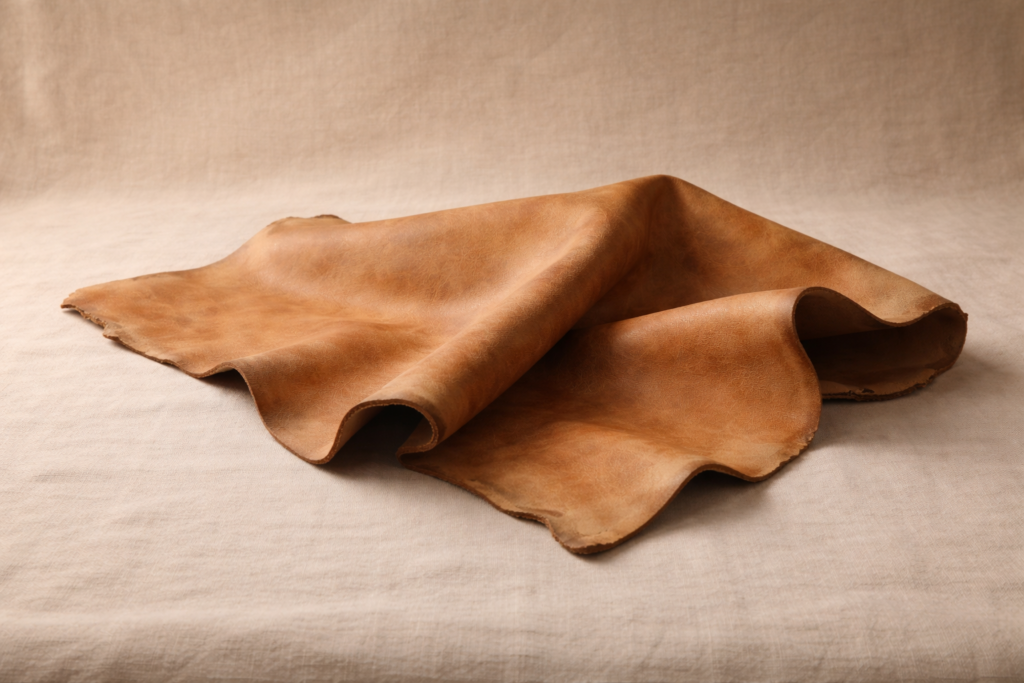
Limited by Design, Not by Accident
Limited production handmade work is often misunderstood. It is not scarcity by circumstance. Non scalable craft reflects deliberate structure. Scale alters attention. Expansion introduces delegation. Delegation introduces distance. What would be lost is not quantity. It is intimacy with process. Limited by design means protecting the conditions that allow quality. It prioritizes coherence over reach. This refusal is not nostalgic. It is strategic. The work remains human in scale because it must, not because it cannot change.
The handmade as a way of working will not accelerate. It will not simplify. Slow making increases value because it concentrates decision-making. Every object carries the record of its pacing. Quiet luxury lives here, in human scale making rather than optimization. What remains is not efficiency. It is presence.