

Value in form rarely begins with addition. It begins with restraint in design, understood as an active stance rather than an aesthetic preference. Form is often mistaken for surface expression. In reality, it is shaped through removal, hesitation, and refusal. Every element that remains carries the weight of those that were consciously set aside. The idea of “less” is frequently misread as ease or minimal effort. Yet reduction demands clarity, patience, and judgment. It requires knowing when a form has said enough. In quiet luxury, form is not decoration. It is a presence built through disciplined absence. What feels calm is rarely accidental. This approach does not seek attention. It assumes confidence without display. Restraint in design becomes a way of standing still while everything else moves.
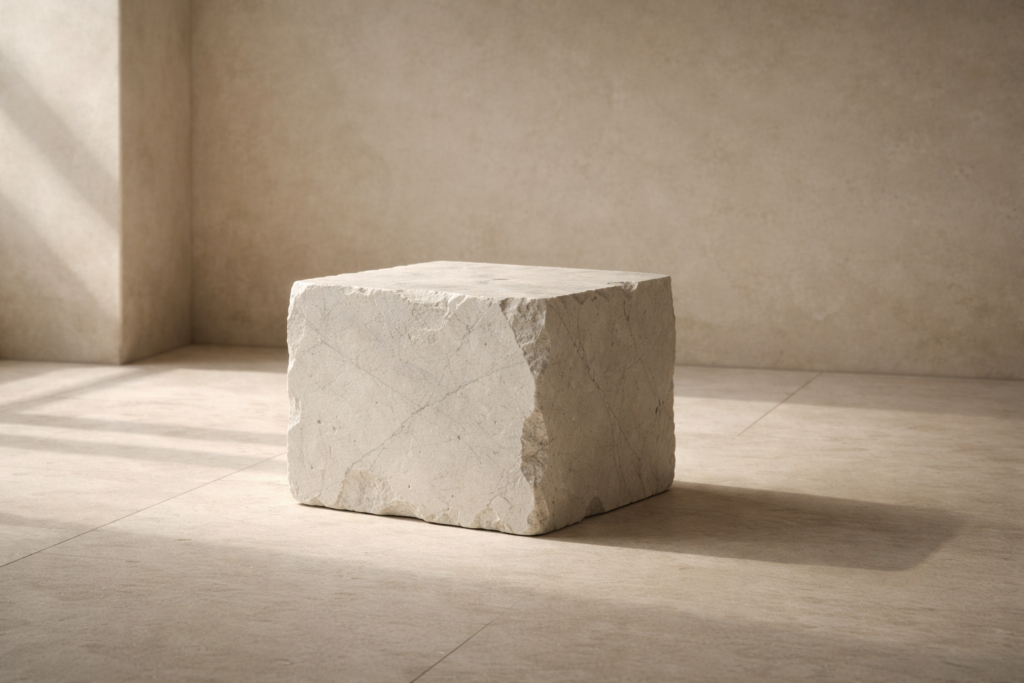
Form as a Series of Decisions
Form emerges through a sequence of deliberate choices. Each line, curve, or proportion exists because something else was declined. Design as a series of decisions shifts attention away from styling. The focus moves toward intent, hierarchy, and consequence. Nothing is neutral once restraint is applied. Choosing not to add becomes as significant as choosing to include. Form as design decision demands clarity about purpose. It also demands discipline over impulse. This process rarely feels effortless. It involves constant evaluation of what serves the whole. Design decision making becomes a practice of subtraction. Intentional form making reveals itself through coherence. The result feels settled, not sparse. Form reads as work, not ornament.
What Is Removed Is as Important as What Remains
What is removed in design shapes meaning as much as what stays. Reduction is not loss but direction. Each omission clarifies the role of remaining elements. Attention gathers rather than disperses. The form becomes legible through absence. Restraint turns editing into an active gesture. The act of removal carries intention. It signals care rather than indifference.
Why Restraint Creates Presence
Design restraint does not diminish presence. It concentrates it. When fewer elements compete, what remains gains intensity. Presence through restraint relies on focus rather than accumulation. The eye knows where to rest. Restraint in visual design allows materials and proportions to speak. Nothing raises its voice. Confidence is expressed through composure. This calm presence resists spectacle. It trusts the inherent qualities of form. Design restraint becomes a marker of assurance. In quiet environments, perception slows. Details surface without insistence. Presence emerges without emphasis.
Quiet Forms and Visual Confidence
Quiet forms in design project certainty without display. They occupy space without demanding it. Visual confidence through simplicity grows from trust. Trust in proportion, material, and finish. Nothing is exaggerated. Such forms feel stable and resolved. They do not seek validation. Their authority remains understated.
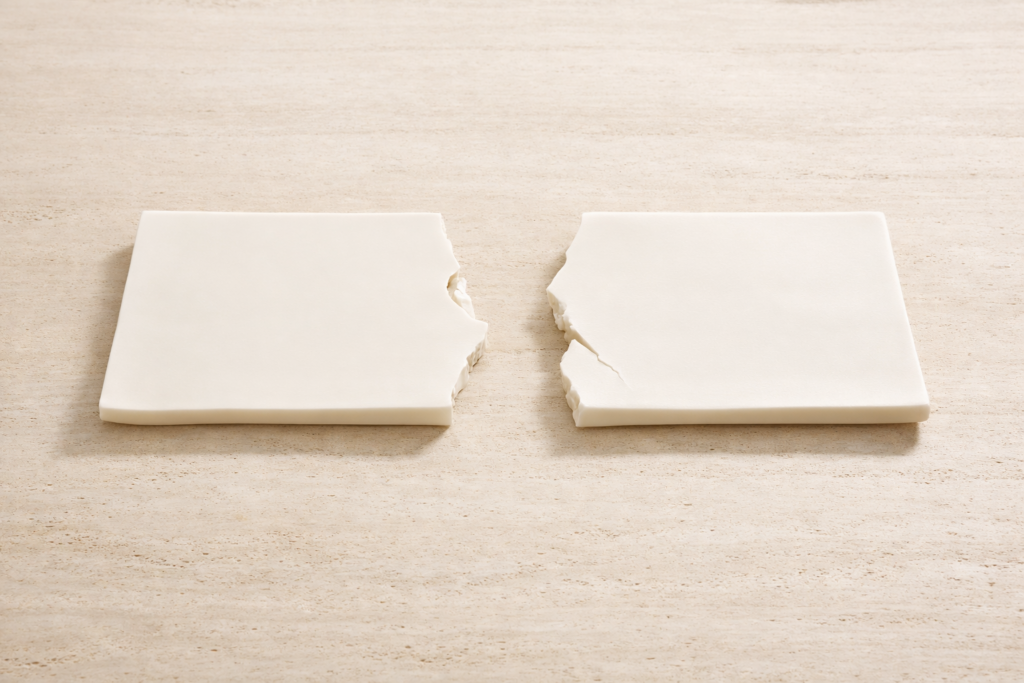
Visual Silence as a Design Decision
Visual silence in design is not emptiness. It is space shaped with intent. Space as design element carries weight. It frames objects and relationships. It allows form to breathe. Designers often find silence difficult to leave untouched. The urge to fill space feels productive. Resisting it requires confidence. Quiet design aesthetics rely on pause. Visual silence becomes an active component. It holds attention without noise. This restraint organizes perception. The eye moves calmly. Nothing feels rushed or crowded.
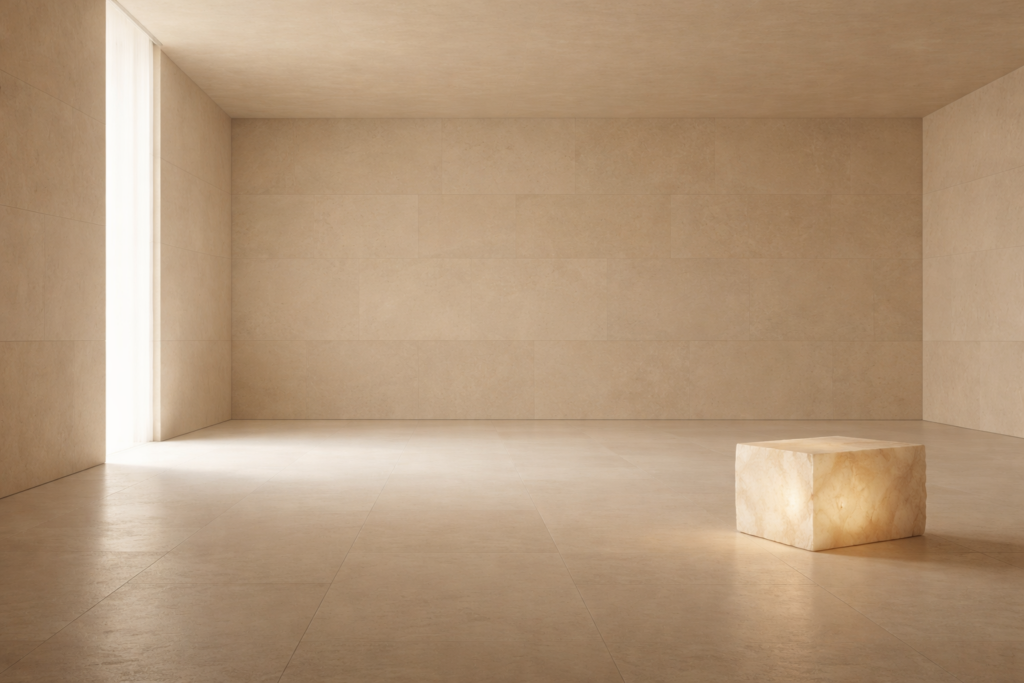
Space, Pause and Perceived Quality
A visual pause in design creates clarity. It signals care rather than absence. Negative space and quality are closely linked. Space allows materials to register fully. Details gain dignity. Perceived quality rises when nothing competes. Silence frames precision. The experience feels considered.
When Less Becomes More Demanding
Demanding simplicity exposes every decision. With fewer elements, tolerance disappears. Simplicity in design increases responsibility. Each line must justify itself. There is nowhere to hide. When less is more, precision becomes essential. Simplicity requires precision at every scale. Errors grow louder in silence. This approach tests discipline. It rejects shortcuts. Designers accept greater scrutiny. Demanding simplicity replaces ease with care. The result feels composed rather than empty. Simple never means casual.
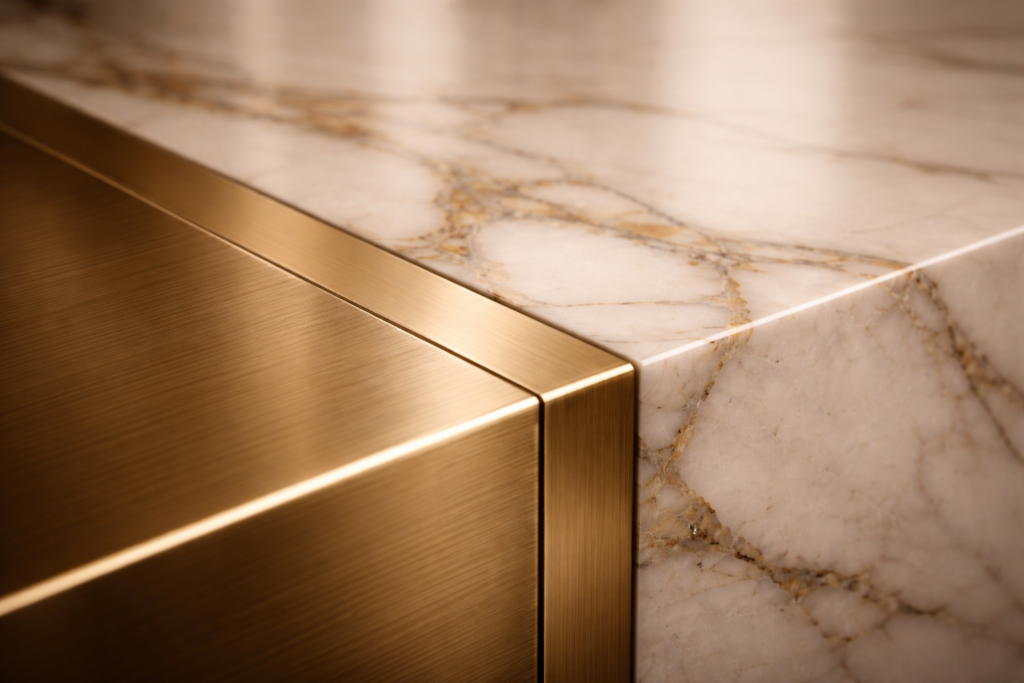
Precision Replaces Decoration
Refined design takes discipline instead of ornament. Precision replaces excess. Edges, proportions, and transitions carry meaning. Nothing compensates for imprecision. Decoration becomes unnecessary. Quiet exactitude defines the work. Details align without display. Form holds itself together.
Balance Is Not Symmetry
Balance vs symmetry defines a deeper understanding of stability. Symmetry offers certainty but limits expression. Visual balance design often relies on asymmetry. Weight is distributed through contrast and placement. Equilibrium feels sensed rather than calculated. Asymmetrical balance requires sensitivity. Elements respond to one another without mirroring. Tension and calm coexist. This balance feels natural. It avoids rigidity. Movement remains contained.
Asymmetry and Natural Calm
Asymmetrical balance in design reflects organic order. It feels lived-in rather than imposed. Natural calm arises from adjustment, not formula. Forms settle into place through observation. Balance becomes intuitive.
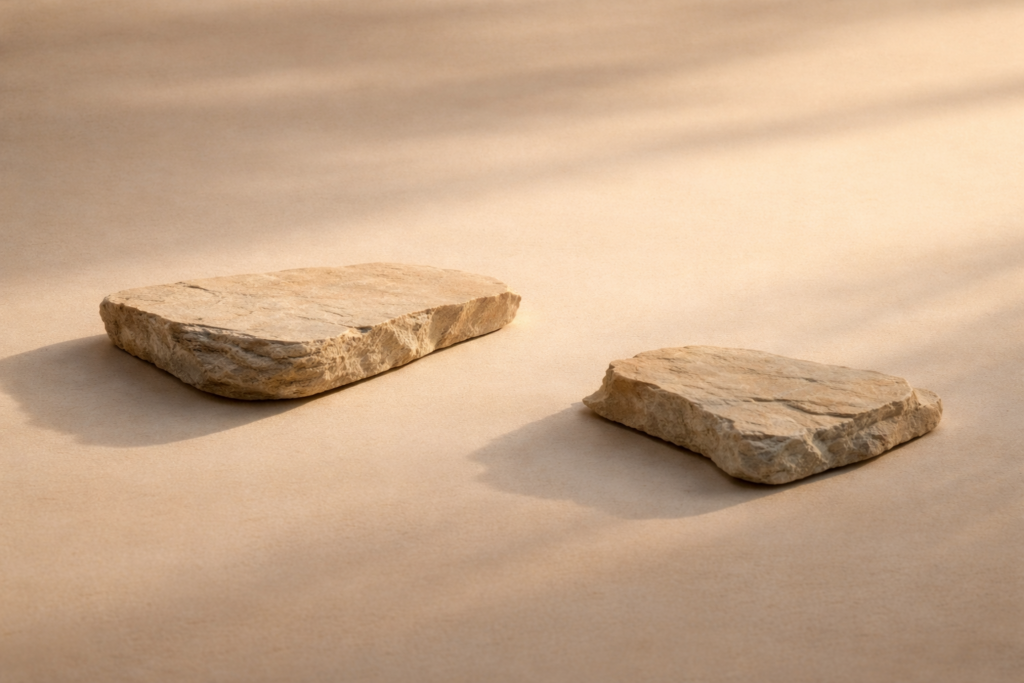
Design Discipline and the Cost of Restraint
Design discipline demands sustained attention. Restraint carries a cost beyond aesthetics. Intentional minimalism requires time and judgment. Each choice holds consequence. Decisions accumulate weight. The cost of simplicity in design is patience. It involves repeated evaluation. Nothing is automatic. Refined design process depends on consistency. Discipline replaces decoration. Restraint becomes structure. This quiet labor remains invisible. Only the calm result is seen. Design discipline supports perceived quality without explanation.
Form does not announce itself. It waits to be noticed. Visual silence is not empty. It holds intention. Restraint in design offers steadiness. It suggests confidence without insistence. Presence remains, even when nothing speaks.