

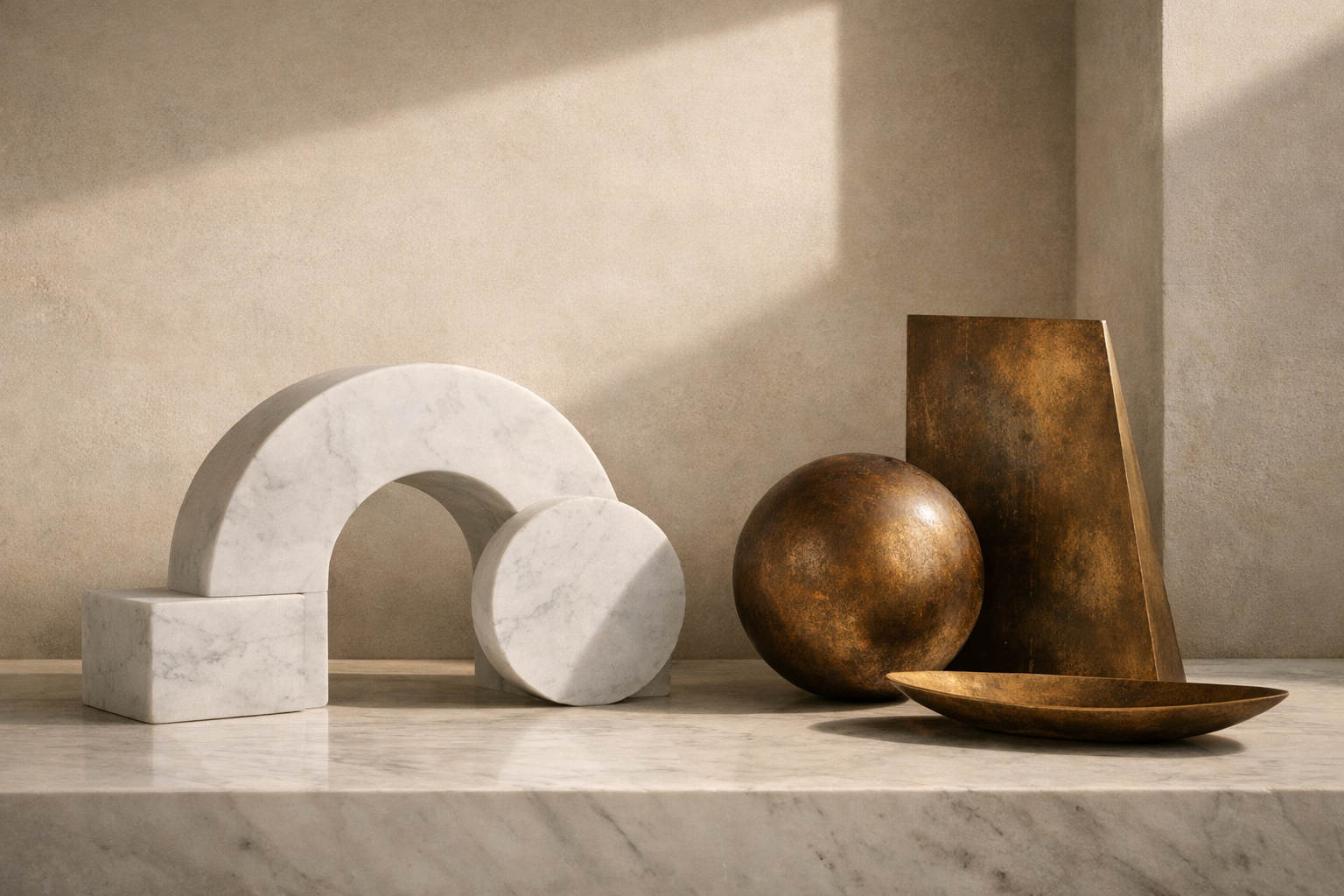
Value rarely announces itself at the beginning. It settles later, through repetition, proximity, and quiet contact. Living with handcrafted jewelry is not defined by the moment of choosing, but by what follows after the object enters daily life. A piece becomes present when it meets the body repeatedly, without ceremony. Weight is noticed. Temperature is felt. The surface stops being unfamiliar. This is where living with handcrafted jewelry begins, not as possession, but as shared time. Objects over time gather meaning through ordinary use, not display. The emotional value of objects forms slowly, in small returns that feel physical rather than symbolic. A familiar clasp. A known balance. A surface that no longer feels new, but settled. Time does not diminish value here. It quietly composes it.
Objects Are Completed Through Use, Not Purchase
Purchase often feels like a conclusion, yet it is only an entry point. Objects over time are shaped by what happens after acquisition, not before. Meaning does not arrive fully formed. It grows through presence, repetition, and tolerance of change. The emotional value of objects emerges when they remain near, accessible, and involved. This is how objects gain value over time, not through novelty, but through shared duration. Owning can remain distant and pristine. Living with introduces friction, habit, and slight irregularity. In that movement, an object stops behaving like a static thing. It becomes a participant. Objects over time acquire a quiet biography shaped by hands, storage, forgetting, and return. Completion happens slowly, through touch rather than intention. The emotional value of objects strengthens when they are allowed to stay unfinished, responsive to use rather than frozen by care.
The Difference Between Owning and Living With
Owning often implies control and preservation. Living with implies relationship with everyday objects. A lived-with object remains within reach, not reserved. It enters daily rituals without emphasis. It does not wait for readiness or permission. Through repetition, it absorbs context and rhythm. Presence replaces display. The object becomes familiar rather than impressive.
How to Live With Jewelry, Not Just Wear It
To live with jewelry is to remove its distance from daily life. It becomes an everyday object rather than a signal. When you live with jewelry, it stops performing for attention and starts accompanying routine. It rests beside keys. It travels unprotected. Over time, jewelry as everyday object adjusts to movement, pace, and repetition. Its role shifts quietly. Live with jewelry long enough, and the relationship changes without announcement. The piece becomes responsive to habit. It carries the memory of mornings and evenings. Objects that age with use develop a steady familiarity. They feel reliable, not precious. Jewelry becomes less about presentation and more about continuity. It stays present because it belongs there.
When Objects Become Part of Daily Rhythm
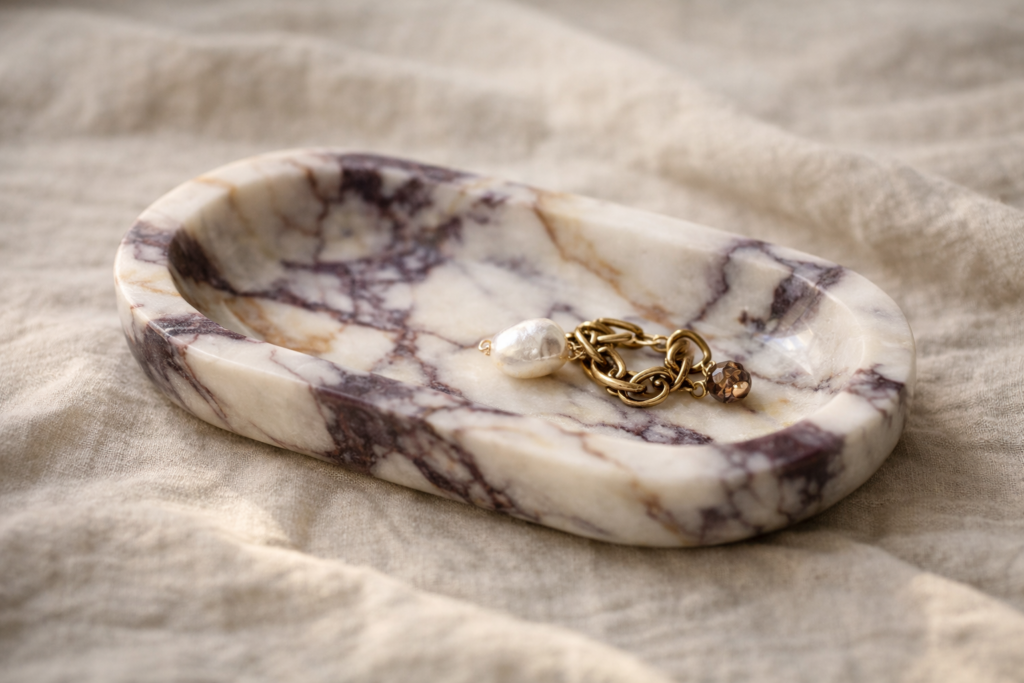
Daily rhythm is formed through repetition. Jewelry can enter that rhythm without disruption. Everyday use jewelry returns each morning without decision. Through consistency, trust develops. The object becomes predictable in a comforting way. It no longer asks to be noticed. It simply remains.
Signs of Use Are Not Flaws
Wear is often framed as loss. Signs of use meaning appears when that assumption loosens. In handmade jewelry aging, change does not indicate failure. It indicates participation. Signs of use meaning emerges when surfaces reflect contact rather than avoidance. Wear becomes part of object history, not damage. In fast consumption, wear justifies replacement. In long presence, wear confirms relationship. Marks soften judgment and deepen familiarity. Signs of use meaning grows when an object is allowed to be real, rather than preserved as ideal. Through time, the object shifts from generic to personal. Its value becomes experiential, not visual.
Wear as Evidence of Relationship
Wear as part of object history is intimate. It records repeated touch without drama. Signs of use as value is felt rather than argued. The object carries proof of shared days. Through that accumulation, it becomes unmistakably yours.
Why Patina Is a Form of Memory
Patina as memory is time made visible. It is not decorative. It is accumulative. Patina meaning emerges when material records duration. A softened edge, a deepened tone, a muted sheen appear without intention. Aging materials meaning becomes legible through attention. Patina as memory resists the demand for perpetual newness. It frames use as contribution rather than erosion. Many object traditions respect patina because it signals lived presence. It confirms authenticity through exposure. Patina as memory allows time to remain on the surface instead of being erased.
Time Written Into Material
Material aging forms a quiet script. It is written gradually, without emphasis. When noticed, it mirrors passing seasons. The object carries that record alongside the person who uses it.
Caring Without Overprotecting
Care can become restraint when it seeks control. Caring for objects without control allows use to continue. It values presence over preservation. Mindful care of handmade objects does not interrupt life. It supports it. Care ethics objects are based on regard, not perfection. Small repairs become gestures of commitment rather than restoration of appearance. Care as relationship not maintenance keeps the object functional and close. It remains available, honest, and engaged.
Allowing Objects to Age With You
Allowing objects to age with you requires trust. It accepts gradual change without resistance. The object stays present within daily life. Care becomes steady rather than strict, responsive rather than anxious.
Time as a Measure of Value
Value over time offers a different measure. It considers endurance rather than impact. The long term value of handmade objects is revealed through return. The object remains usable, familiar, and appropriate. Slow consumption design becomes visible through continuity. Investment in everyday objects is quiet and extended. It privileges lasting presence over replacement. Value over time grows when objects are allowed to remain rather than cycle out. Time becomes the measure because it exposes what holds.
The object does not lose meaning as it ages. It gains coherence. Living with handcrafted jewelry accepts a gentler timeline. The object begins its story through use, not arrival. Through repetition, care, and proximity, emotional value of objects becomes tangible. What remains near over years does not simply wear out. It learns its place, quietly, as time continues to pass.